(A working first-party data strategy for ROAS in 2025)
Table of Contents
Why Write This
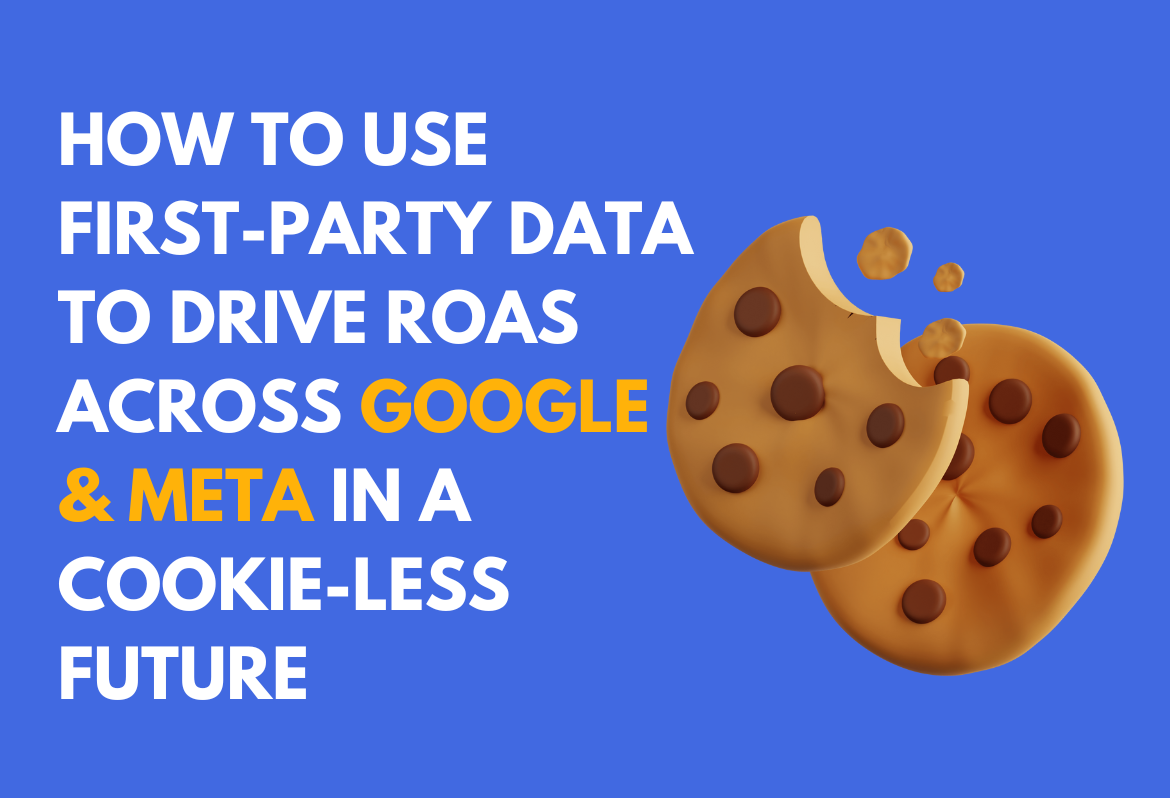
2025 is the year Chrome finally phases out third-party cookies. That means everything from audience tracking to remarketing is changing and brands that don’t prepare now will fall behind.
This blog breaks down how to use first-party data to maintain performance, build cleaner attribution and run smarter campaigns across both Google Ads and Meta Ads without relying on outdated cookie strategies.
Why First-Party Data Is Now the Core of Performance Marketing
The advertising landscape is shifting and fast. Without cookies, your ability to track users across the web is shrinking. But that doesn’t mean personalisation is over, it means you need to collect your own signals.
That’s where a strong first-party data strategy for ROAS comes in. It gives you:
- Direct ownership of your audience
- Cleaner consent pathways
- Better long-term campaign performance
First-party data includes emails, phone numbers, UTM-tagged clicks, CRM events and GA4 signals all tied to actions users take on your own website. This data is accurate, permissioned and reliable across browsers.
Platforms like Google and Meta are investing heavily in privacy-first advertising tools but they rely on you feeding in proper signals. This isn’t optional anymore. It’s foundational
Build First-Party Lists from Website, CRM & Email Data
Start with what you control: your own website, your email list and your CRM. These are your most valuable sources of remarketing lists and they can power everything from ad personalisation to custom audiences.
You should be collecting:
- Emails from lead forms
- Checkout data from ecommerce
- On-site behaviour tagged with UTM parameters
- Form submissions and quiz data
- Event-based data from CRM
Tools like Klaviyo, HubSpot or Salesforce can sync directly into ad platforms but only if they’re structured with clean fields and CRM tracking.
For ecommerce, this becomes your ecommerce remarketing UK engine where customer behaviour fuels future sales. For lead gen, use gated assets or lead capture forms that prioritise email opt-ins over long fields.
The better your data input, the more relevant your campaigns will be and the stronger your results.
Use GA4 + UTMs to Track True Performance
GA4 isn’t perfect, but it’s still the best tool you have for multi-touch tracking right now especially when used alongside UTM parameters and server events.
Set up custom events to track key user actions:
- Form submissions
- Product views
- Checkout starts
- PDF downloads
Tag all campaign URLs with UTMs so GA4 can link sessions to sources. This is essential for proper ad attribution in a cookie-less future, especially when you’re syncing audiences between Google Ads, Meta Ads and CRM.
Pro tip: build GA4 custom audiences based on scroll depth, engaged sessions, or purchase intent and sync those audiences directly into Google for display or YouTube retargeting.
Run Retargeting Without Cookies (Yes, It’s Possible)
Retargeting campaigns still work but you can’t rely on cookies to power them anymore. Instead, use:
- Hashed emails (from opt-ins)
- First-party audience building from site behaviour
- Server-side tags and offline conversions
- Real CRM interactions (like appointment booked or quote requested)
Meta’s CAPI (Conversions API) and Google’s Enhanced Conversions both allow for retargeting based on real actions not just anonymous browsing.
You’ll also need to rethink how you sequence ads. Instead of one-size-fits-all, segment by:
- Stage of funnel
- Source (email vs ad vs organic)
- Lifetime value or product category
This is a modern cookie-less retargeting strategy at work and it puts intent back at the centre of targeting.
Set Up Server-Side Tracking for Long-Term Accuracy
With browser-based tracking now limited, server-side is the way forward. Set up a Google Tag Manager server container to pass accurate conversion data without relying on the browser.
For Meta, install the Meta CAPI Gateway that allows direct conversion tracking from your server to Meta’s platform, bypassing blocks like iOS opt-outs and cookie restrictions.
Benefits include:
- Better match rates
- More reliable ROAS figures
- Stronger support for attribution modelling
This is essential for high-ticket services and brands running Meta Ads for online retailers UK, where every lost conversion signal means wasted spend.
Capture Leads the Right Way (Consent First, Conversion Second)
People care about privacy and regulators are watching. That’s why your lead capture forms must be built with consent-based lead generation tactics.
That means:
- Simple, clear opt-in checkboxes
- GDPR-compliant consent statements
- Clear reason for contact (e.g. newsletter, quote, free guide)
Avoid dark patterns. Instead, focus on quality over quantity especially when running GDPR-compliant lead generation UK campaigns.
Use value-led offers:
- Downloadable checklists
- Exclusive how-to videos
- Free consultations or assessments
This is how you build consent management tools into your performance stack and maintain both compliance and conversion.
Connect CRM, Email & Ads for Seamless Personalisation
To scale properly, your tech stack needs to talk to each other. That means linking your CRM tracking, email campaigns and ad platforms using:
- Data syncs (e.g. Zapier, Segment, API connections)
- Shared tagging systems (like UTM naming conventions)
- Audience matching rules
You should be able to:
- Trigger Meta or Google audiences from a CRM stage
- Exclude recent converters from remarketing
- Personalise ads based on email engagement
This is how CRM-to-ads data sync builds a full funnel from cold to hot and back again. It’s what modern performance marketing looks like.
Build Once, Optimise Monthly, Scale Quarterly
Don’t treat this setup as one-and-done. A real first-party data strategy for ROAS evolves over time.
Monthly:
- Clean your email lists
- Refresh creative per segment
- Review campaign-level performance
Quarterly:
- Review audience quality (opt-ins, matches, conversions)
- Check server-side tagging or CAPI stability
- Audit your customer data platform or CRM rules
This is how you future-proof your ad attribution, lower your CAC, and keep scaling without dependence on third-party data.
Ready to Make the Switch?
If you’re serious about scaling in 2025 and beyond, it starts with what you already own your data.
👉 Book a strategy session with Global PPC and get a full roadmap to activate your first-party data across Google & Meta and grow with control in the cookie-less era.