Table of Contents
Introduction: Why SEO and Instagram Reels Are Intersecting in 2025
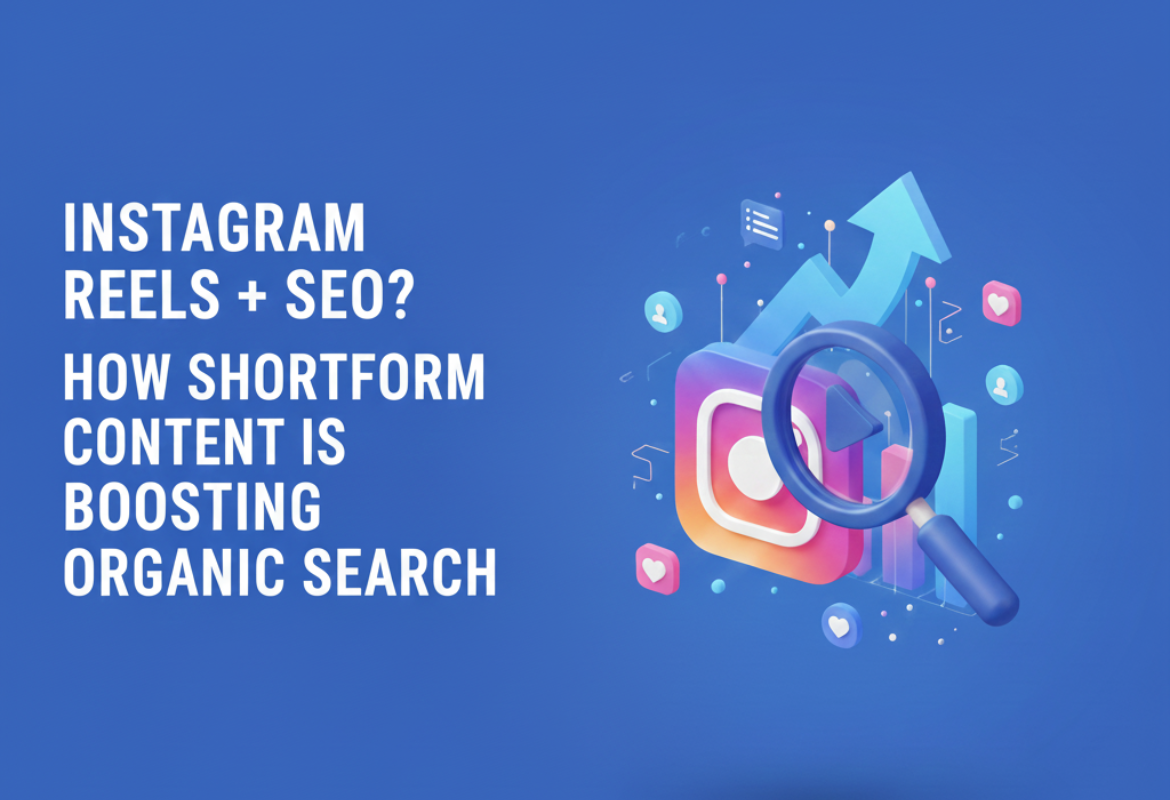
For years, SEO and social media strategies were viewed as separate silos. One focused on ranking pages in search engines, while the other concentrated on engagement, reach, and community building on platforms like Instagram. But the landscape has shifted. Instagram Reels the platform’s short-form video format has quickly evolved beyond being a trend-driven feature into a serious driver of organic search visibility. Today, users are discovering brands not just through Google searches, but directly through Reels that rank for keywords both in Instagram’s internal search and, increasingly, in Google search results.
For marketers and businesses in the UK and globally, the opportunity is significant. The integration of SEO with Instagram Reels is shaping a new performance marketing approach where short-form content can directly contribute to organic reach, visibility, and sales. This blog unpacks how Instagram Reels intersects with SEO, why it matters, and how marketers can build strategies to take advantage of this shift.
The Evolution of Short-Form Content as a Search Tool
How Reels Changed Instagram’s Discovery Model
Instagram was originally a photo-first platform, but Reels altered the discovery algorithm. Unlike static posts, Reels are designed to be pushed beyond a user’s follower list through Instagram’s Explore page, hashtag indexing, and keyword tagging. Reels surface more frequently to people who have never interacted with your account, creating exposure opportunities similar to ranking on the first page of Google.
Short-Form Video and Search Behavior
Consumer behavior has evolved, particularly among Gen Z and younger millennials. In the UK, studies from Ofcom highlight that younger audiences increasingly use TikTok, Instagram, and YouTube Shorts as primary search tools whether they’re looking for restaurant recommendations, product reviews, or tutorials. For businesses, this means search visibility is no longer limited to Google; instead, being discoverable on short-form platforms has become equally critical.
The Google Factor: Indexing Reels
Google’s algorithm now indexes public Reels, similar to how it indexes YouTube videos. This means your short-form content isn’t just discoverable on Instagram but may also appear in Google’s video search results, directly boosting your SEO footprint. Businesses in competitive UK industries such as fashion, travel, and hospitality are already leveraging this to push their brand into multiple search layers.
Why Instagram Reels Matter for SEO
Keyword Optimization Inside Reels
Instagram has updated its search capabilities to prioritize keywords. Captions, on-screen text, and even spoken words in Reels can contribute to discoverability. By aligning Reels with target keywords, businesses can improve their chances of ranking both within Instagram and on Google.
Example: A London-based bakery using Reels with captions such as “best cupcakes in Shoreditch” could rank for those searches when users type them into Instagram’s search bar.
Engagement Signals Feed SEO Value
High engagement rates likes, comments, saves, and shares act as ranking signals. On Instagram, these engagement metrics increase Reels visibility in Explore. When indexed by Google, engagement indirectly boosts authority since platforms with active interaction are prioritized for freshness and relevance.
Content Longevity Compared to Posts
Unlike Stories, which disappear, Reels remain searchable indefinitely. When combined with SEO-focused captions, they deliver both immediate engagement and long-tail discoverability.
Step-by-Step Framework: Optimizing Instagram Reels for SEO
Step 1: Keyword Research Adapted for Reels
Traditional keyword tools like SEMrush and Ahrefs may not reflect Instagram-specific queries. Instead, marketers should:
- Use Instagram’s search bar to test keywords.
- Analyze auto-suggest terms for trending queries.
- Check hashtags related to their niche.
- Look at competitors’ Reels captions and keyword use.
Step 2: Craft SEO-Friendly Captions
Captions should blend naturally with keywords. Overstuffing looks spammy and damages credibility. Focus on writing captions that:
- Incorporate 1–2 primary keywords.
- Answer the implied question of the Reel.
- Add location references for local SEO (e.g., “Manchester restaurant guide”).
Step 3: Use On-Screen Text
Instagram now scans text overlays to aid search ranking. Always add subtitles or keyword-rich titles on the Reel itself.
Step 4: Optimize Audio
Audio choice contributes to discoverability. Trending sounds expand reach, but pairing them with spoken keywords can further SEO. Google’s AI increasingly transcribes spoken content, which could influence indexing.
Step 5: Metadata and Hashtags
Hashtags remain important but should be treated like secondary keywords. Mix broad hashtags (#SEO, #LondonFood) with niche tags (#CamdenVeganEats).
Step 6: Engagement Calls-to-Action (CTAs)
Prompt viewers to comment or save the Reel. Each interaction strengthens engagement signals, which feeds into algorithmic ranking.
Case Examples: Instagram Reels Driving Organic Results
UK Travel Industry Example
A boutique travel agency in Edinburgh created Reels showcasing “3-day trips from Edinburgh.” Using keyword-rich captions and hashtags like #ScotlandTravel and #EdinburghTrips, the Reels ranked in Instagram’s top search results. Soon after, snippets began appearing in Google’s video results, increasing traffic to the agency’s website.
Fashion Retail Example
A Manchester-based clothing boutique posted styling Reels with captions optimized for “Manchester streetwear.” They gained organic search traction for local keywords, driving foot traffic to their store alongside increased e-commerce sales.
Food & Hospitality Example
Restaurants in London are increasingly posting Reels with titles like “Best brunch in Shoreditch.” These Reels appear in Instagram’s local search and often trend on Google. As a result, businesses are reporting direct booking increases from organic Reel visibility.
Integrating Instagram Reels Into a Broader SEO Strategy
1. Funnel Reels into Website Traffic
Every Reel should contain a soft CTA to visit a website or profile link. Pairing Reels with strong landing pages optimized for the same keywords creates continuity in SEO.
2. Repurpose Content Across Channels
A single Reel can be repurposed into:
- YouTube Shorts for additional search exposure.
- Blog embeds to increase content diversity and improve dwell time.
- TikTok uploads to cover alternative search ecosystems.
3. Measure Performance Beyond Vanity Metrics
Track performance through:
- Impressions and reach.
- Shares and saves as indicators of value.
- Website clicks via link in bio.
- Rankings for target keywords in Instagram and Google.
4. Balancing Paid and Organic Distribution
Pairing organic Reel SEO with paid promotion amplifies performance. A Reel that ranks well organically but also receives paid push tends to snowball in visibility, offering both search benefits and paid reach.
UK-Specific Insights for Reels + SEO
Search Behavior in the UK
Data from Ofcom shows that 40% of UK Gen Z now use TikTok and Instagram as their first stop for search, especially for food, fashion, and local activities. Businesses that fail to optimize short-form video for SEO risk losing significant search traffic.
Local SEO Leverage
In dense urban markets like London, Manchester, and Birmingham, local keyword optimization in Reels can push businesses ahead of larger competitors. By pairing keyword captions with geotags, smaller businesses can claim visibility in high-competition categories.
Industry Adoption
UK industries leading this trend include:
- Hospitality and restaurants.
- Fashion retail and ecommerce.
- Real estate agents showcasing properties.
- Health and fitness studios.
Performance Marketing Best Practices for Reels SEO
Content Calendar Approach
Plan Reels around seasonal and trending keywords. For example:
- “Best Christmas markets in Manchester.”
- “London summer rooftop bars.”
Testing and Iteration
Post variations of the same keyword-targeted Reel with slight creative differences. Use engagement metrics to identify which performs best.
Long-Tail Strategy
Don’t just aim for broad terms like “London restaurants.” Target long-tail search phrases such as “best vegan brunch in Camden.” These yield more targeted traffic and higher conversion potential.
Quality over Quantity
A few high-quality, keyword-optimized Reels outperform bulk posting without SEO planning. Each piece of content should serve both discovery and engagement goals.
Conclusion: Why Reels + SEO Is a Game-Changer for Organic Search
Instagram Reels are no longer just about viral dances or trending challenges. They are now a crucial tool for organic search visibility, both within Instagram’s native search ecosystem and in Google’s index. For UK businesses in sectors like retail, travel, and hospitality, the intersection of Reels and SEO presents a direct path to improved visibility, organic traffic, and ultimately, sales.
The future of SEO isn’t limited to blog posts and backlinks it includes short-form video content optimized with the same precision as traditional SEO campaigns. Businesses that act now to integrate Reels into their SEO strategies will find themselves ahead of competitors still stuck in the old siloed model.