Table of Contents
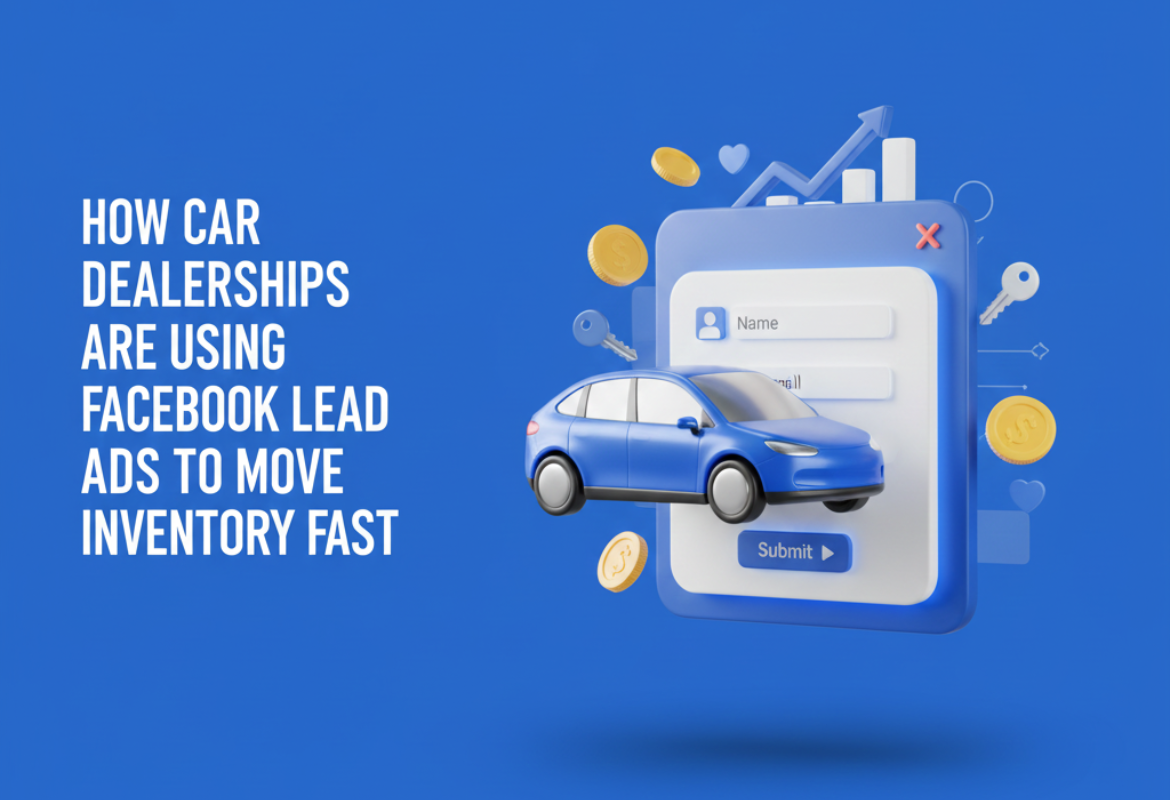
The automotive industry has always relied on visibility and fast-moving campaigns to drive showroom traffic. But as customer journeys have shifted online, the traditional test-drive-first sales model has changed. Today’s car buyers in the UK research extensively, compare financing offers online, and often shortlist dealerships before ever stepping onto a forecourt. For dealerships under pressure to move vehicles quickly, Facebook Lead Ads have become one of the most practical and performance-focused tools in their marketing arsenal.
This blog takes a deep dive into how dealerships are using Facebook Lead Ads to generate qualified leads, manage inventory, and ultimately move cars faster. The strategies outlined here are implementation-focused, supported with practical frameworks, examples, and UK-specific insights.
Why Facebook Lead Ads Matter for Car Dealerships
Consumer Behaviour Has Shifted
In the UK, nearly 85% of car buyers begin their search online. Dealerships can’t rely solely on walk-ins anymore. Paid social has emerged as an efficient way to intercept buyers while they’re actively researching. Facebook, with its wide targeting capabilities, puts dealerships in front of prospects who may not even have decided on a brand yet.
Facebook Lead Ads vs. Traditional Forms
Traditional website lead forms can be clunky. They often require buyers to navigate away from the platform, increasing drop-off. Facebook Lead Ads streamline this process. The form opens directly within Facebook or Instagram, pre-populated with user details such as name, email, and phone number. That ease of use drastically improves conversion rates.
Speed to Lead = Speed to Sale
For dealerships, speed is everything. Cars sitting on the lot depreciate daily. The faster you can connect with an interested buyer, the higher the chance of closing. Lead Ads provide instant notifications and can be integrated with CRM systems for rapid follow-up.
Step-by-Step Strategy for Dealerships Using Facebook Lead Ads
Step 1: Define Inventory Goals
Not every vehicle needs the same push. Start by categorising inventory:
- Aging inventory: Cars that have been on the lot for 60+ days.
- High-demand vehicles: SUVs, EVs, or models popular in urban UK markets like London or Manchester.
- Special promotions: Cars with financing offers or clearance deals.
Having clarity on which cars need attention ensures campaigns are tailored.
Step 2: Build Target Audiences
Dealerships should avoid spray-and-pray tactics. Instead, build segmented audiences:
- In-market car shoppers: Target using Facebook’s automotive behaviour segments.
- Lookalike audiences: Based on past buyers or CRM lists.
- Geo-targeting: Focused on a dealership’s service area. For example, a Birmingham-based dealer might restrict campaigns to a 25-mile radius.
- Retargeting: Engage users who visited your dealership website or interacted with previous ads.
Step 3: Craft Compelling Creative
- Carousel ads: Showcase multiple vehicles or features.
- Video walkarounds: Give buyers a feel for the car before visiting.
- Offer-driven creatives: Highlight finance deals, limited-time promotions, or dealer-specific warranties.
The creative should directly address buyer intent not generic branding. For example: “Drive away a 2023 Ford Fiesta this weekend with £0 deposit. Book a test drive now.”
Step 4: Design the Lead Form
Keep it simple. The fewer fields, the higher the conversion rate. Recommended fields:
- Full Name
- Email
- Phone Number
- Preferred Appointment Time
Optional fields can be added for financing or trade-in interest but should not overwhelm the form.
Step 5: CRM Integration
This is where many dealerships fail. Leads must flow directly into your CRM or sales management system. Tools like Zapier or direct integrations with platforms like AutoTrader CRM or Salesforce ensure no lead is lost. Automated follow-ups, such as SMS confirmations, increase engagement.
Step 6: Follow-Up Framework
Speed to lead matters. Ideally:
- Initial Response: Within 15 minutes (SMS + phone call).
- Follow-Up Cadence: 3 attempts in the first 24 hours, followed by nurturing over the next 7 days.
Personalisation: Reference the specific vehicle the buyer showed interest in.
Case Study Example: London-Based Dealership
A multi-brand dealership in East London had an issue with aging diesel inventory. They launched a Facebook Lead Ad campaign targeting a 20-mile radius, focusing on affordability and trade-in options. Creatives showcased diesel models with limited-time financing packages.
Results within 45 days:
- 370 leads generated at an average £7.80 CPL (cost per lead).
- 54 cars sold, 60% of which were from the aging diesel inventory.
- Campaign ROI significantly outperformed a concurrent Google PPC campaign where CPCs exceeded £6.
UK Market Insights: Why Lead Ads Work Here
High Competition, High CPCs
Automotive keywords in Google Ads can cost upwards of £4–£8 per click in major UK cities. For high-value keywords like “BMW dealer London,” CPCs can exceed £12. Facebook Lead Ads often deliver cheaper leads without sacrificing intent.
Finance-Driven Market
UK buyers are highly sensitive to financing options. Lead Ads that emphasise monthly payments instead of total car prices tend to perform better. Example: “Drive a 2023 Kia Sportage for £289/month enquire now.”
Urban Geo-Targeting
In metropolitan areas, proximity is critical. Few buyers are willing to travel across London for a dealership visit. Lead Ads with tight geographic targeting ensure leads are both qualified and practical.
Advanced Facebook Lead Ads Tactics for Dealerships
Dynamic Inventory Ads
Facebook allows integration with automotive inventory feeds. This means ads update automatically based on stock availability. If a car sells, it drops off the ad rotation. This reduces wasted spend on unavailable vehicles.
Custom Instant Experiences
For high-value vehicles (e.g., luxury brands), Lead Ads can be paired with immersive Instant Experience formats. These offer 360-degree views, feature highlights, and video tours — driving higher engagement before a buyer fills in their details.
Retargeting Abandoned Leads
Not every form fill results in a closed deal. Use retargeting ads for leads who didn’t book a test drive. For instance: “Still interested in the Audi A3? Schedule your test drive this week and we’ll include a complimentary first service.”
Combining Lead Ads with Messenger
Adding Messenger as a contact option increases engagement. Many UK buyers prefer quick Facebook Messenger interactions over traditional calls.
Lead Quality Filtering
Use custom questions to filter time-wasters. Example: “Are you planning to purchase within 30 days?” This ensures sales teams prioritise hot leads.
Performance Marketing Best Practices
Tracking & Attribution
- Always add UTM parameters to track lead sources.
- Integrate with GA4 for better attribution across paid and organic channels.
- Monitor metrics beyond CPL: measure cost per appointment and cost per sale.
Creative Testing
Run A/B tests across:
- Vehicle models vs. financing offers.
- Static images vs. video.
- Form length (short vs. extended).
Continuous testing ensures campaigns improve over time.
Compliance & Transparency
In the UK, automotive advertising is heavily regulated. Ensure all offers include clear terms (APR, deposit, mileage limits). Misleading ads not only risk penalties but also damage brand trust.
Practical Framework: Facebook Lead Ads for Dealerships
- Inventory Audit: Identify priority vehicles.
- Audience Strategy: Build in-market, geo-targeted, and lookalike audiences.
- Creative Development: Develop offer-driven assets.
- Lead Form Setup: Keep forms short and CRM-integrated.
- Follow-Up System: Ensure instant outreach and nurturing.
Performance Review: Optimise based on cost per sale, not just lead volume.
Conclusion: Business Impact of Lead Ads
For car dealerships in the UK, Facebook Lead Ads aren’t just a traffic driver they’re a sales engine. By reducing friction in the buyer journey, targeting the right audiences, and integrating tightly with CRM and sales processes, dealerships can move inventory faster and at lower acquisition costs compared to traditional PPC. In a competitive, margin-sensitive industry, these campaigns can be the difference between aging stock and consistent turnover.